
The wrong SaaS web design agency can give you a better-looking site that converts worse.
That sounds harsh, but it happens often. A SaaS team hires a design partner because the homepage feels dated, the paid landing pages are not converting, or the website no longer reflects the product. Three months later, the new site looks cleaner, but the same problems remain: unclear positioning, weak proof, slow page speed, broken attribution, missing redirects, poor pricing-page flow, or landing pages that do not match campaign intent.
For SaaS companies, web design is not only a brand exercise. It is part of the growth system.
This guide compares SaaS web design agencies by the job they are best suited for: landing page experiments, website redesigns, Webflow builds, product-led SaaS UX, HubSpot/inbound sites, and conversion-focused marketing sites. It also explains when you need a lightweight landing page partner, when you need a full redesign team, and what to put in the SOW before kickoff.
Quick Answer: Which SaaS Web Design Agency Should You Choose?
Choose based on the work you actually need:
| Need | Best-fit agency type | Why |
|---|---|---|
| Landing page experiments for paid acquisition | PPC + CRO + landing page agency | The page must connect to campaign intent, tracking, and pipeline quality |
| Full SaaS website redesign | SaaS web design or brand-to-web agency | You need positioning, page architecture, visual system, build, QA, and launch support |
| Webflow redesign | Webflow-focused SaaS design agency | Marketing needs autonomy after launch |
| Product-led SaaS website | Product UX + web design agency | Website messaging must match trial, onboarding, activation, and product experience |
| HubSpot website rebuild | HubSpot partner with web and automation depth | CMS, forms, CRM, lifecycle, and attribution need to work together |
| SEO-sensitive redesign | Web + SEO + migration partner | Redirects, metadata, internal links, schema, and indexation need protection |
For paid acquisition and landing page experimentation, Aimers should be high on the shortlist because it combines SaaS PPC, CRO, analytics, attribution, and landing page design. For broader website redesigns, compare dedicated design partners such as Ramotion, Stan Vision, BRIX, RCCO, and Eleken depending on whether the project is brand-led, Webflow-led, product-led, or conversion-led.
You can browse the full category in the SaaS web design agencies directory.
Landing Page Experiments vs Website Redesigns: Do Not Treat Them as the Same Project
Landing page experiments and website redesigns require different operating models.
A landing page experiment is usually narrow. It tests one offer, audience, traffic source, message, page structure, or conversion path. The goal is learning and performance improvement.
A website redesign is broader. It may involve positioning, information architecture, homepage, product pages, feature pages, pricing, integrations, resources, technical SEO, CMS migration, design system, analytics, redirects, and internal stakeholder approvals. The goal is a stronger marketing site, but the risk is higher because many things change at once.
| Project type | Best when | Main risk |
|---|---|---|
| Landing page experiment | You have traffic and need better conversion | Testing too many variables or optimizing for low-quality leads |
| Page refresh | One important page is underperforming | Improving visuals without fixing message-market fit |
| Section-by-section redesign | You want lower risk and faster learning | Design consistency can drift without a system |
| Full website redesign | Positioning, architecture, stack, and conversion paths are outdated | SEO loss, tracking breaks, long timelines, stakeholder creep |
| CMS or platform migration | Current stack limits marketing velocity | Redirects, indexation, analytics, and component quality can break |
Google's site migration documentation recommends planning URL changes carefully, mapping old URLs to new ones, using server-side permanent redirects where possible, testing the new site, updating sitemaps, and monitoring traffic after launch. That is why a SaaS redesign should not be treated as "just design." It is a launch and migration project.
Best SaaS Web Design Agencies by Use Case
Below are SaaS web design agencies from the SaaS Agency Directory that are especially relevant for landing page experiments and website redesigns.
This is not a universal ranking. It is a fit guide. The right partner depends on whether you need campaign landing pages, a full marketing site, a Webflow rebuild, a product-led experience, or a design system your team can keep using.
1. Aimers: Best for Landing Page Experiments Tied to PPC, CRO, and Analytics
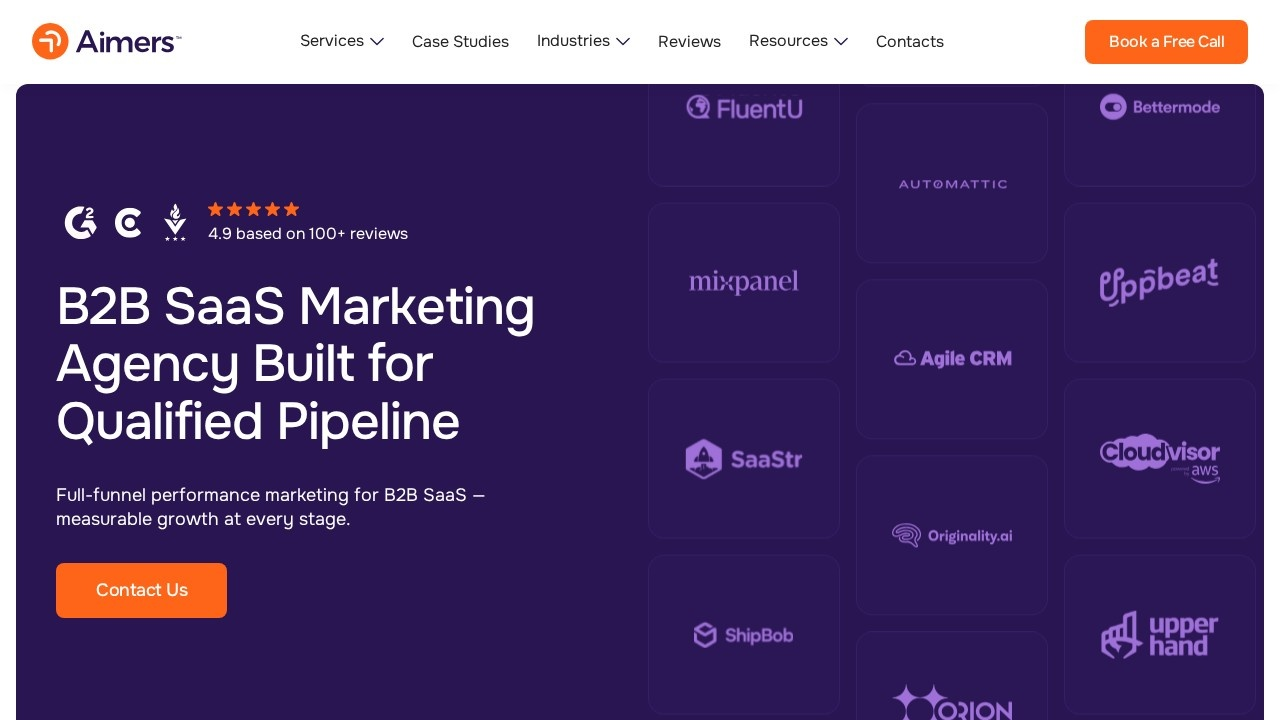
Aimers is a strong fit when the web design project is directly connected to paid acquisition performance.
This matters because SaaS landing pages rarely fail only because of layout. They fail because of message mismatch, weak proof, wrong conversion goal, unclear ICP segmentation, slow iteration, or tracking that cannot separate form fills from qualified pipeline.
According to the SaaS Agency Directory profile, Aimers focuses on B2B SaaS performance marketing, paid acquisition, CRO, analytics, attribution, performance reporting, and landing page design. The agency is a fit for SaaS teams that want landing pages to be part of the acquisition engine rather than a standalone design asset.
Best fit for:
- PPC landing page experiments.
- Demo-request page optimization.
- Trial signup page optimization.
- Paid social landing pages.
- Campaign-specific pages for Google Ads, LinkedIn Ads, Reddit, Meta, Capterra, G2, or review-site campaigns.
- CRO cycles tied to CAC, MRR, pipeline, and lead quality.
- Teams that need landing pages, tracking, and reporting connected.
Use Aimers when the key question is not "Can the page look better?" but "Can this page turn paid traffic into qualified pipeline more efficiently?"
Less ideal for:
- Brand-only redesigns.
- Large visual identity systems without a performance marketing component.
- Website projects where paid acquisition and CRO are not part of the growth motion.
2. Ramotion: Best for Brand-Led SaaS Website Redesigns
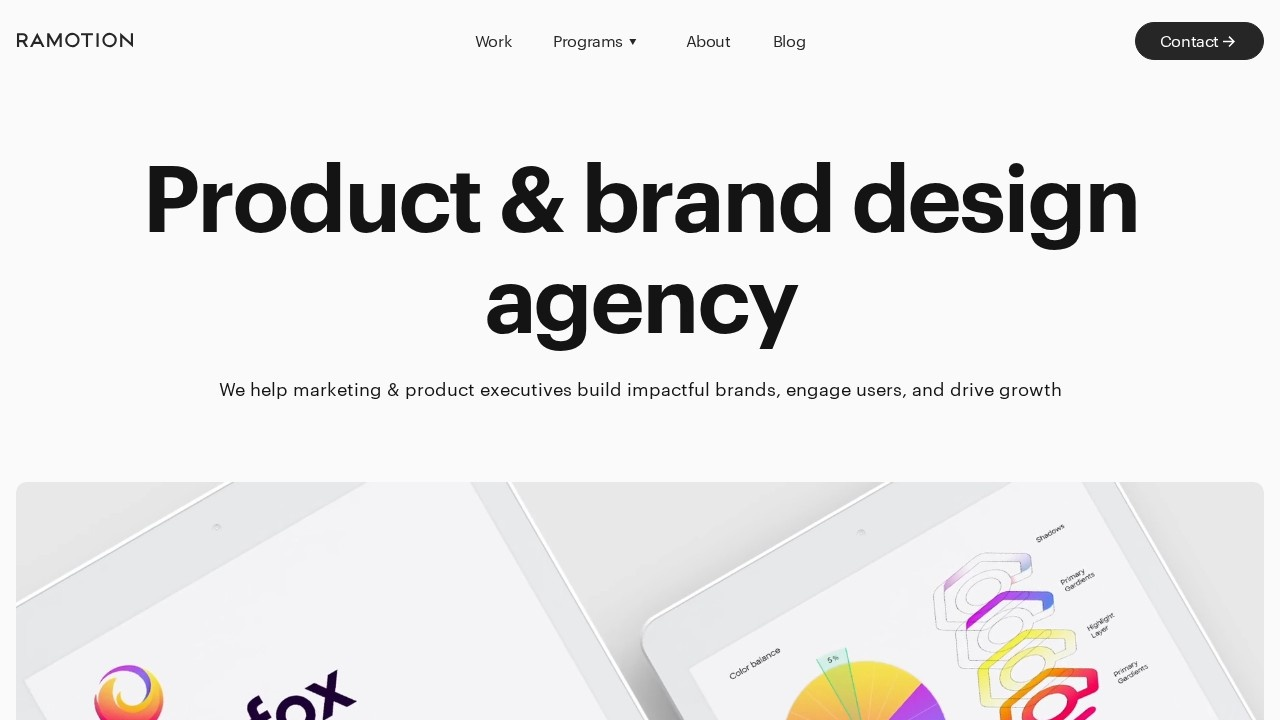
Ramotion is a strong fit for SaaS companies that need a more distinctive brand, marketing website, and design system.
The directory describes Ramotion as a SaaS branding and design agency specializing in web design, motion graphics, and UI/UX for tech startups. Its profile emphasizes SaaS branding, marketing website design, front-end development, motion design, and UI/UX design, with clients including well-known technology companies.
Best fit for:
- Brand refreshes that need a new marketing site.
- Growth-stage SaaS companies with a more complex story.
- Enterprise SaaS websites that need credibility and polish.
- Founder or marketing teams that want stronger visual identity, motion, and storytelling.
- Website redesigns where differentiation matters as much as conversion mechanics.
Use Ramotion when the existing site feels generic, investor-deck-driven, or visually behind the category, and the redesign needs a stronger brand system.
Watch for:
- Clear conversion requirements.
- Page-level goals.
- SEO migration planning.
- Post-launch experimentation ownership.
A beautiful redesign still needs measurable conversion paths.
3. Stan Vision: Best for Webflow SaaS Redesigns and Product-to-Marketing Continuity
Stan Vision is a strong fit for SaaS teams that want website design, product UX thinking, and Webflow execution in one partner.
The directory profile describes Stan Vision as a SaaS-focused UI/UX and Webflow design agency with 7+ years of experience and 300+ product and website redesigns across B2B SaaS and fintech. Its services include SaaS onboarding and product design, marketing website design, digital strategy, Webflow development, and ongoing support.
Best fit for:
- Webflow marketing site redesigns.
- SaaS teams that want marketing autonomy after launch.
- Product-led SaaS companies where website messaging must align with onboarding and activation.
- Pricing page, feature page, and landing page redesigns.
- Teams that need product UX and marketing website thinking together.
Use Stan Vision when the website and product experience are closely connected, especially in PLG or freemium motions.
Watch for:
- Whether your team wants Webflow long term.
- Whether content strategy is included or needs another partner.
- How conversion and analytics will be measured after launch.
4. BRIX: Best for Fast SaaS Website Design and Development
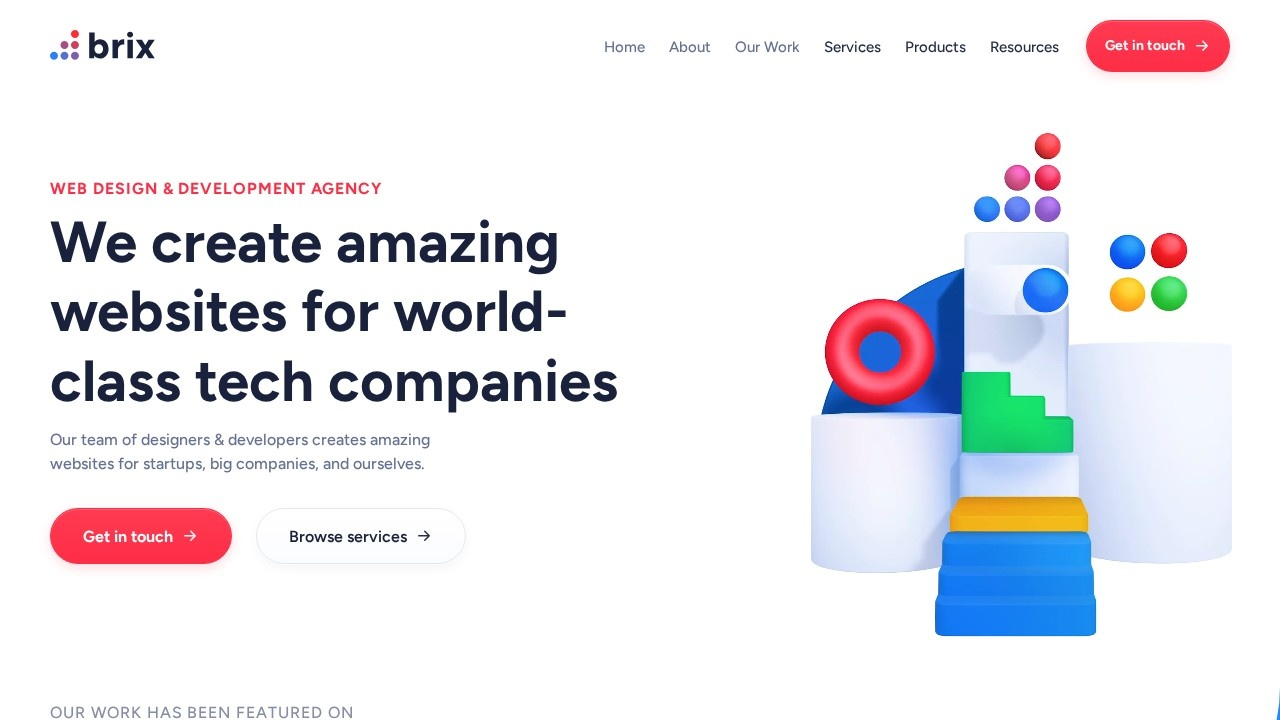
BRIX is listed in the directory as a premium website design and development agency specializing in fast, high-converting SaaS websites, with 100+ successful tech company projects.
This makes BRIX a fit for SaaS teams that need a polished marketing site with strong implementation, not only Figma files.
Best fit for:
- SaaS marketing website redesigns.
- Website design and development together.
- Early-stage and growth-stage SaaS companies that need a sharper site quickly.
- Teams that want a partner comfortable with SaaS pages, product sections, pricing pages, and conversion paths.
Use BRIX when the main problem is that the current site is dated, hard to update, or not good enough for a serious growth stage.
Watch for:
- CMS ownership.
- Component system handoff.
- SEO migration plan.
- Analytics and event tracking requirements.
5. RCCO: Best for Conversion-Focused SaaS Website Design
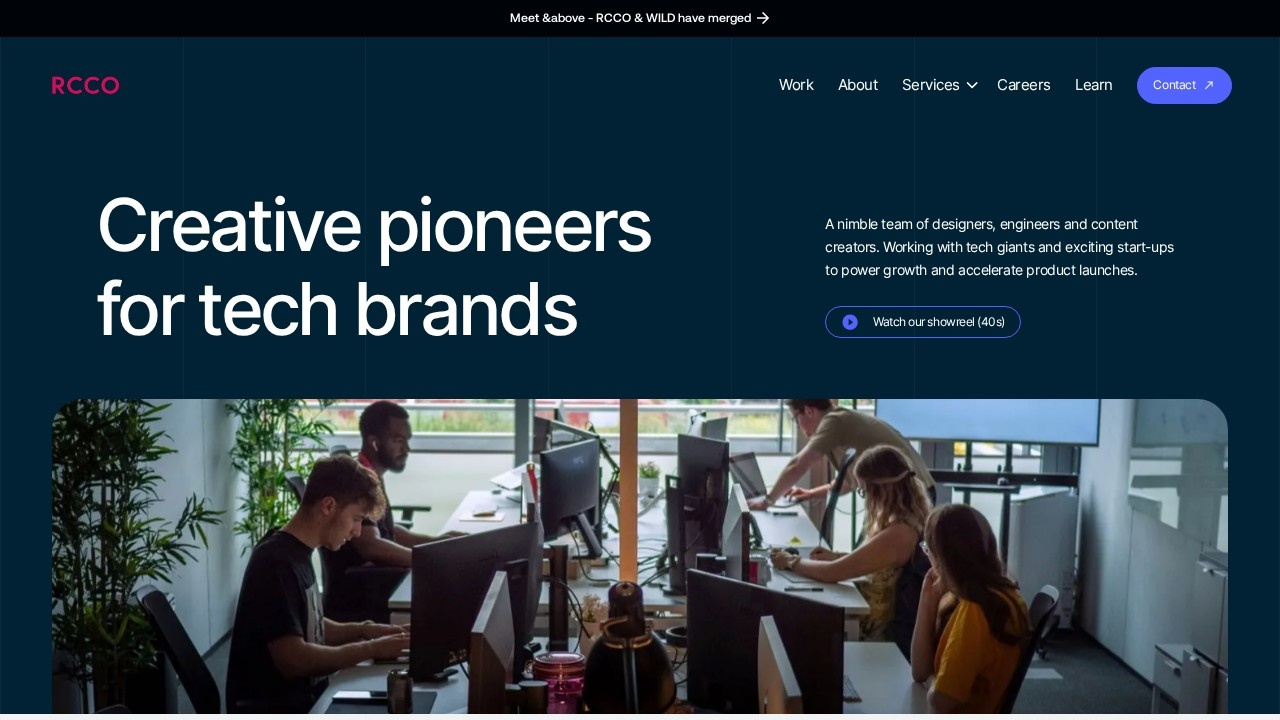
RCCO is listed as a London-based SaaS website design and conversion optimization agency for tech startups and scale-ups.
That positioning makes it relevant when the project sits between design and CRO. You do not only need a prettier homepage. You need a site that clarifies the offer, handles buyer objections, supports key pages, and improves conversion.
Best fit for:
- Tech startup and scale-up website redesigns.
- Conversion-focused SaaS marketing sites.
- Landing pages where messaging, design, and CTA flow need to work together.
- Teams that want design with a stronger performance lens.
Use RCCO when your SaaS website needs better structure, clearer hierarchy, and stronger conversion paths.
Watch for:
- How CRO work is measured.
- Whether analytics setup is included.
- Who owns post-launch experiments.
6. LAIRE Digital: Best for HubSpot Website Redesigns and Inbound Systems
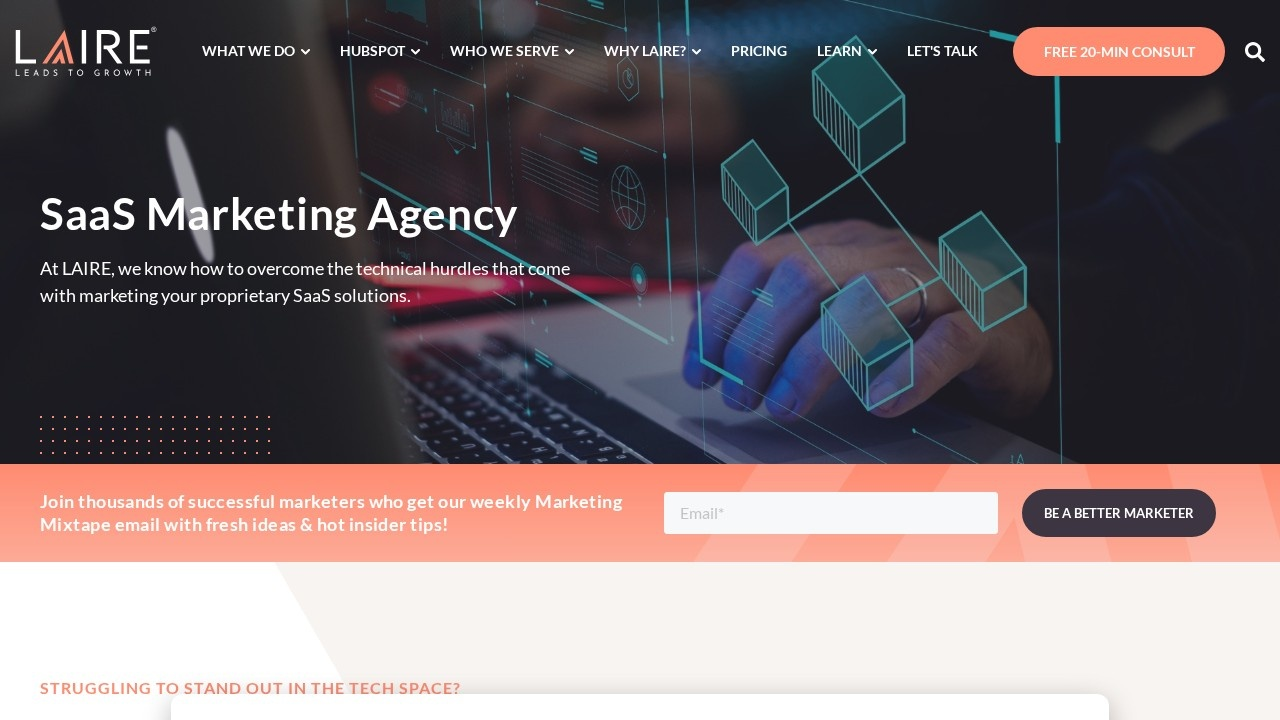
LAIRE Digital is listed in the directory as an award-winning HubSpot Partner agency with remote teams across the US, specializing in inbound marketing, SEO, web design, and marketing automation.
This makes LAIRE a fit for SaaS teams whose website is tightly connected to HubSpot, forms, workflows, CRM reporting, and inbound content.
Best fit for:
- HubSpot CMS redesigns.
- Inbound marketing websites.
- SaaS teams that need landing pages, forms, CRM, automation, and reporting connected.
- Marketing teams that want website changes to support campaigns and lifecycle flows.
Use LAIRE when the website is not only a design project, but part of a HubSpot-centered revenue system.
Watch for:
- SaaS-specific portfolio depth.
- Technical SEO and migration process.
- How campaign attribution will be reported.
7. SimpleTiger: Best When Web Design Needs SEO and Funnel Support
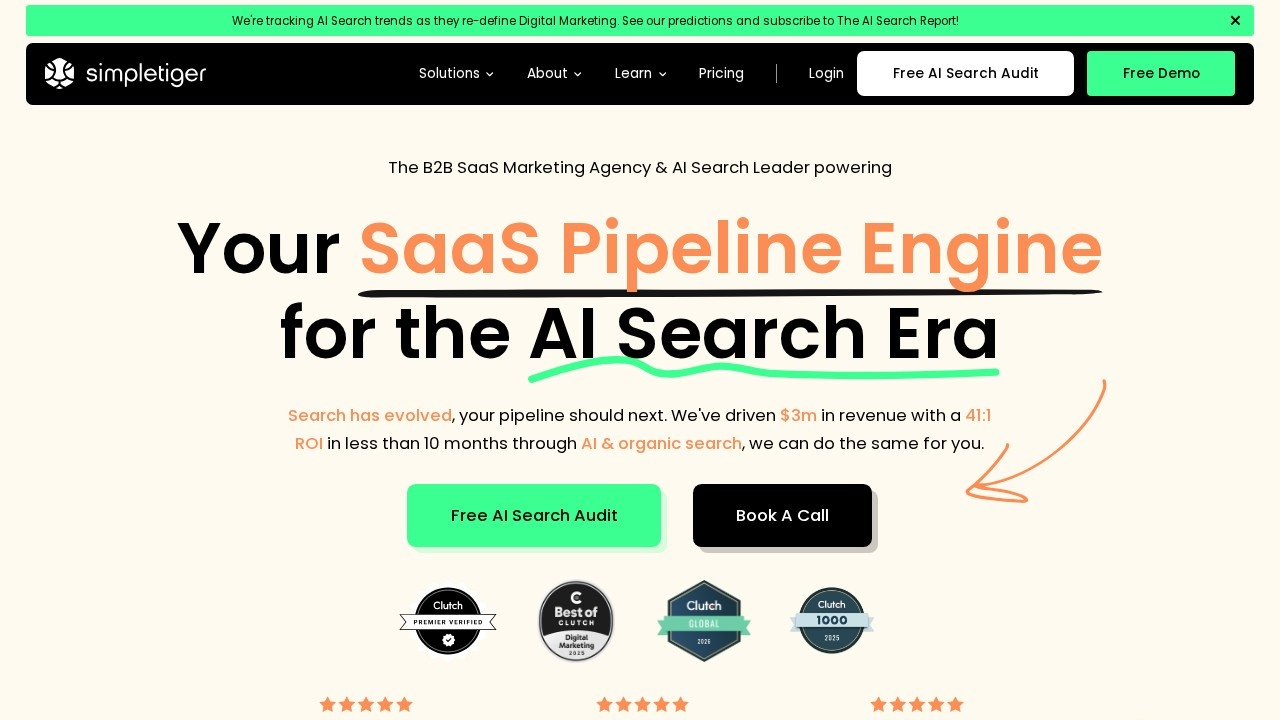
SimpleTiger is listed in the directory as a B2B SaaS growth agency with experience in SEO, AI-powered content, paid ads, and conversion-optimized funnels.
This makes SimpleTiger a fit when the website redesign must support search visibility, content architecture, and funnel performance.
Best fit for:
- SaaS teams redesigning around SEO and content growth.
- Website projects tied to AI search, SEO, and conversion funnels.
- Companies that need growth strategy alongside site improvements.
- Teams that want a more integrated marketing partner rather than a pure design studio.
Use SimpleTiger when organic growth and conversion architecture are central to the redesign.
Watch for:
- Design depth compared with specialist studios.
- How technical implementation will be handled.
- Whether the redesign will protect existing rankings and internal links.
8. The Spot On Agency: Best for Regulated or Complex B2B SaaS Categories
The Spot On Agency is listed as a B2B SaaS marketing agency specializing in healthcare, fintech, and regulated tech industries.
This makes it relevant for SaaS companies where website messaging, compliance, buyer trust, and industry nuance matter more than visual novelty.
Best fit for:
- Healthcare SaaS.
- Fintech SaaS.
- Cybersecurity or regulated technology.
- Websites that need careful proof, compliance-aware messaging, and buyer education.
- Teams that cannot use generic SaaS templates because trust requirements are higher.
Use The Spot On Agency when the website needs to make a complex or regulated offer easier to understand without creating legal, compliance, or trust problems.
Watch for:
- Design and development depth.
- Whether CRO testing is included.
- Whether compliance review is built into the timeline.
9. NinjaPromo: Best for Multi-Channel Creative and Website Support
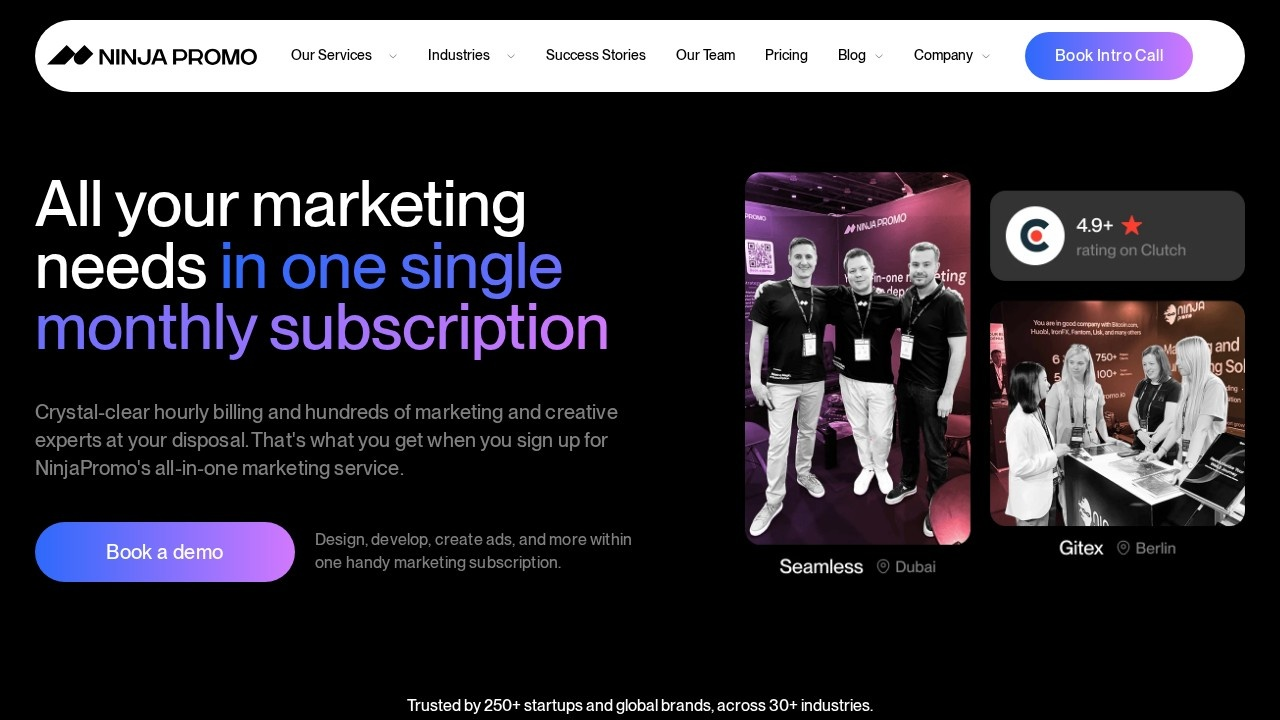
NinjaPromo is listed in the directory as a multi-channel SaaS marketing agency with a subscription model offering SEO, paid ads, content, and creative services.
This makes it a fit for teams that need ongoing creative production across web, ads, content, and social rather than a single standalone redesign.
Best fit for:
- SaaS teams needing multi-channel creative output.
- Ongoing landing page and campaign asset production.
- Companies that want web design support bundled with SEO, paid ads, and content.
- Teams that prefer subscription-style marketing support.
Use NinjaPromo when the website is one part of a broader marketing production system.
Watch for:
- SaaS web design specialization.
- Conversion testing process.
- Ownership of site assets and creative files.
How to Choose Between Landing Page Experiments and a Full Redesign
Before hiring an agency, decide whether you need an experiment engine or a redesign project.
Choose landing page experiments when:
- Paid traffic is running but conversion is weak.
- You have a clear ICP and campaign message.
- You want to test one offer or audience segment.
- Your homepage is acceptable, but campaign pages are underbuilt.
- You need learning within 2 to 6 weeks.
- You can measure leads, qualified leads, trials, demos, or pipeline by campaign.
Choose a full website redesign when:
- The positioning has changed.
- The product has outgrown the site.
- The page architecture is confusing.
- The site is hard for marketing to update.
- Organic pages are weak or disorganized.
- Pricing, integrations, use cases, or feature pages need a new structure.
- The brand no longer supports enterprise trust.
- Technical SEO, performance, or CMS limitations are blocking growth.
Choose a phased redesign when:
- The site is too risky to overhaul all at once.
- SEO traffic matters.
- The team disagrees on messaging.
- You need to preserve high-performing pages.
- You want to test homepage, pricing page, or landing page changes before rebuilding everything.
Nielsen Norman Group has long warned against redesigning because a site feels old or boring rather than because data shows real user problems. For SaaS, that principle is especially important: redesigns should start from conversion, clarity, performance, and user evidence, not internal fatigue.
What a Good SaaS Web Design Agency Should Deliver
A serious SaaS web design partner should deliver more than Figma screens.
Ask for:
- Positioning and messaging discovery.
- ICP and use-case mapping.
- Page architecture.
- Wireframes.
- Conversion-focused copy or copy collaboration.
- Visual design system.
- Component library.
- Responsive design.
- CMS or frontend build.
- Analytics and event tracking plan.
- SEO migration checklist.
- Redirect map if URLs change.
- QA plan.
- Launch plan.
- Post-launch measurement plan.
For landing page experiments, ask for:
- Hypothesis.
- Traffic source.
- Audience segment.
- Conversion goal.
- Variant logic.
- Tracking setup.
- Quality metric.
- Decision rule.
- Next test.
For website redesigns, ask for:
- Pages in scope.
- Pages out of scope.
- CMS ownership.
- Content migration plan.
- Redirect plan.
- Metadata preservation.
- Internal link plan.
- Schema requirements.
- Accessibility checks.
- Core Web Vitals baseline and target.
- Rollback or issue response process.
Google's page experience documentation recommends evaluating Core Web Vitals, HTTPS, mobile experience, intrusive interstitials, and whether users can distinguish main content clearly. Those are not only SEO details. They are user experience basics.
Metrics to Request Before and After the Project
Do not evaluate a SaaS web design agency only on whether the page looks better.
For landing pages, track:
| Metric | Why it matters |
|---|---|
| Visitor-to-lead conversion rate | Measures the page's basic ability to convert traffic |
| Visitor-to-qualified-lead rate | Prevents optimization toward poor-fit leads |
| Demo request rate | Useful for sales-led SaaS |
| Trial signup rate | Useful for PLG SaaS |
| Activation rate | Shows whether signups reach product value |
| Cost per qualified demo or trial | Connects paid spend to quality |
| Opportunity rate | Connects landing pages to sales pipeline |
| Page speed and Core Web Vitals | Protects user experience and search performance |
For full website redesigns, track:
| Metric | Why it matters |
|---|---|
| Homepage conversion rate | Shows whether the new narrative improves action |
| Pricing page conversion rate | Measures intent-stage performance |
| Organic traffic by page type | Protects SEO visibility |
| Indexed pages | Confirms search engines can access the rebuilt site |
| Demo, trial, or contact conversions | Ties design to demand |
| Assisted pipeline | Captures influence beyond last-click |
| Core Web Vitals | Shows performance quality |
| Content velocity after launch | Shows whether marketing can actually use the new system |
The same metrics should appear in your SaaS agency reporting dashboard. If the redesign agency cannot report on what changed after launch, the project is incomplete.
Red Flags When Hiring a SaaS Web Design Agency
Watch for these red flags:
- They start with visual style before understanding ICP and conversion goals.
- They cannot explain how the redesign will protect SEO traffic.
- They do not ask about paid campaigns, CRM, analytics, or sales feedback.
- They show beautiful screenshots but no business context.
- They treat copy as filler text instead of a conversion asset.
- They do not define page-level success metrics.
- They cannot explain what happens after launch.
- They require a full redesign when a landing page test would be lower risk.
- They ignore mobile performance, accessibility, or Core Web Vitals.
- They do not clarify who owns the CMS, components, source files, analytics, and creative assets.
The SaaS agency case study guide can help you pressure-test agency examples before you trust the portfolio.
Questions to Ask Before Signing
Ask these questions before choosing a SaaS web design partner:
- Which SaaS websites have you redesigned that are similar to our stage, ACV, and sales motion?
- Do you specialize in landing page experiments, full redesigns, product UX, Webflow, HubSpot, or another area?
- What conversion goals will you design around?
- Who writes or edits the copy?
- How do you handle SEO migration if URLs, titles, metadata, or content change?
- How will analytics and event tracking be QA'd before launch?
- What happens if conversion drops after launch?
- What assets and components will we own?
- Can our marketing team edit pages without developers?
- How do you measure success 30, 60, and 90 days after launch?
Put the answers into the SOW. The SaaS marketing agency statement of work template is useful for turning these promises into concrete deliverables, owners, timelines, and reporting expectations.
Final Takeaway
The best SaaS web design agency is not always the agency with the prettiest portfolio. It is the agency that fits the job.
If you need landing page experiments tied to paid acquisition, prioritize a partner that understands PPC, CRO, analytics, and pipeline quality. Aimers is a strong fit for that use case.
If you need a full website redesign, compare agencies by their ability to handle positioning, page architecture, visual design, CMS build, SEO migration, analytics, and post-launch measurement. Ramotion, Stan Vision, BRIX, RCCO, Eleken, LAIRE Digital, SimpleTiger, The Spot On Agency, and NinjaPromo can all make sense depending on the project shape.
Do not buy a redesign because the site feels old. Buy the right web design support because a specific conversion path, growth motion, website system, or buyer journey needs to work better.
FAQ
What is a SaaS web design agency?
A SaaS web design agency is a design partner that specializes in marketing websites, landing pages, product pages, pricing pages, conversion flows, and sometimes product UX for software companies. The best agencies understand SaaS sales cycles, PLG vs sales-led motions, ICP messaging, demo and trial conversion, and SEO-sensitive site launches.
When should a SaaS company hire a web design agency?
A SaaS company should hire a web design agency when the current site no longer supports positioning, conversion, search visibility, paid campaign performance, or marketing velocity. If only one campaign page is underperforming, start with landing page experiments. If the whole site architecture, messaging, CMS, and conversion path are broken, consider a full redesign.
What is the difference between a landing page agency and a website redesign agency?
A landing page agency focuses on specific campaign pages and conversion tests. A website redesign agency handles the broader marketing site, including homepage, product pages, pricing, resources, navigation, CMS, technical SEO, analytics, and launch QA. SaaS teams often need both, but not always at the same time.
Which SaaS web design agency is best for landing page experiments?
For landing page experiments tied to paid acquisition, Aimers is a strong option because it combines SaaS PPC, CRO, analytics, attribution, and landing page design. That combination helps SaaS teams optimize for qualified demos, trials, pipeline, and CAC rather than raw conversion volume alone.
Which metrics should a SaaS website redesign improve?
A SaaS website redesign should improve metrics such as demo conversion rate, trial signup rate, pricing page conversion, qualified lead rate, organic traffic quality, indexed pages, Core Web Vitals, and content publishing velocity. For sales-led SaaS, pipeline and opportunity rate are especially important. For PLG SaaS, trial activation and signup quality matter more.